Reliable and sufficient pressure for local water supply
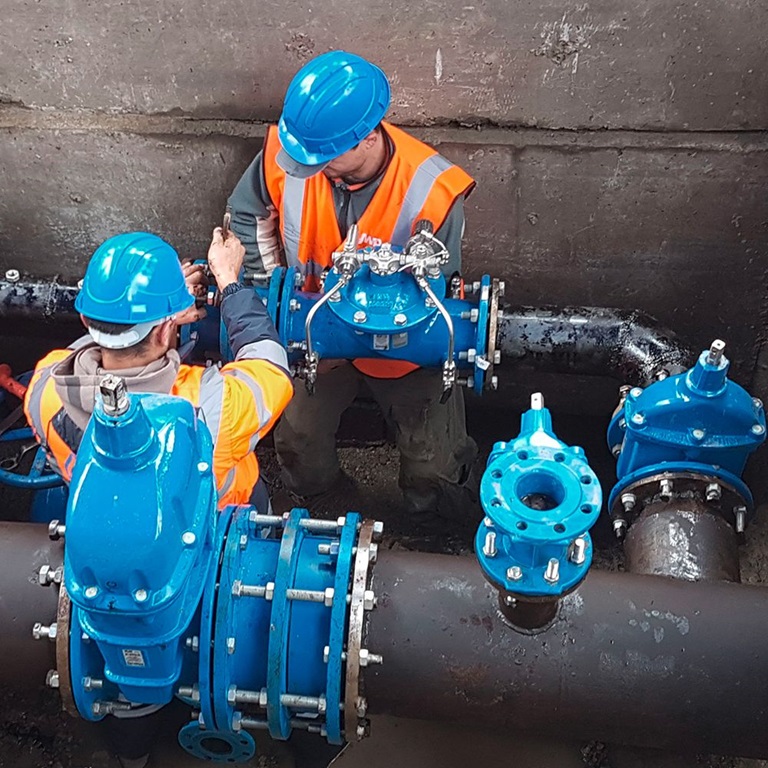
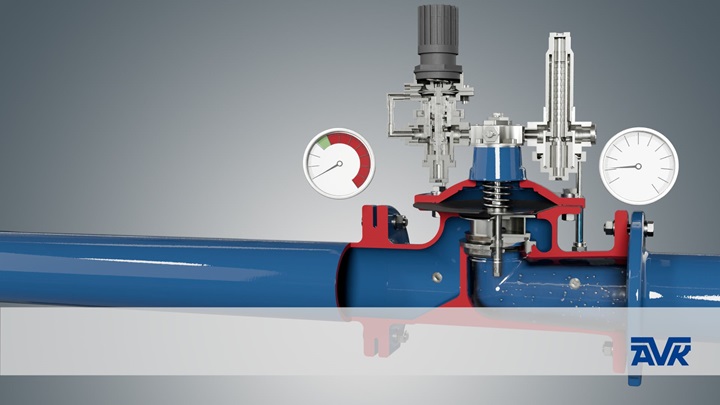
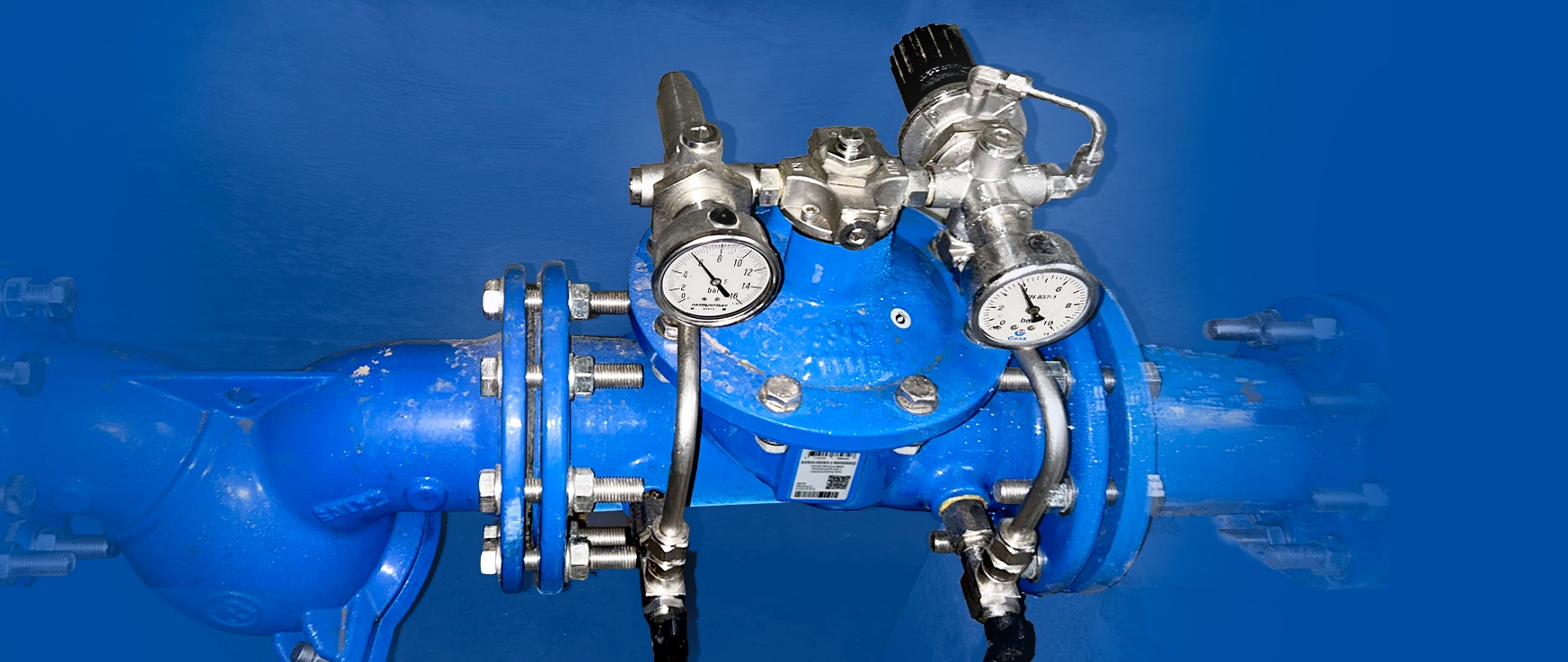
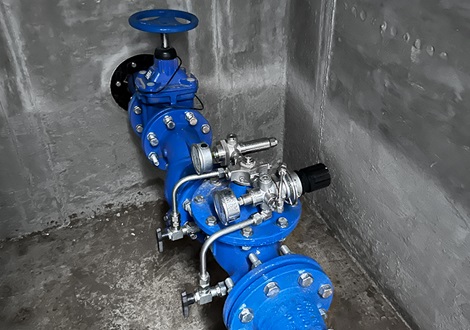
A branch pipe was installed from the main pipe to ensure stable and efficient water supply to a local Slovak village. The upstream pressure was 6 bar, which exceeds the optimum level for water supply to private consumers. To protect the distribution network and ensure adequate water pressure, a pressure reducing valve (PRV) was installed and set to reduce the pressure to 4 bar.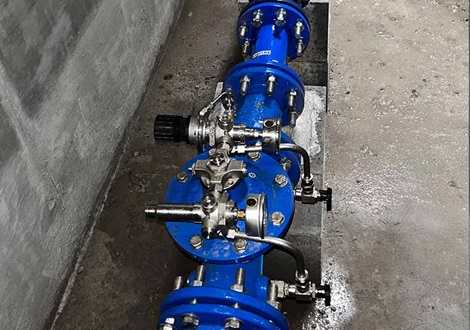
Why reduce pressure?
Lowering pressure helps minimise water loss by reducing the risk of bursts and thereby reducing non-revenue water (NRW). In addition, maintaining a stable pressure level increases lifetime of the pipe network and its components by limiting pressure fluctuations and the resulting stress on pipes, valves and fittings. A suitable and stable pressure also improves the quality of supply for consumers.
On-site commissioning
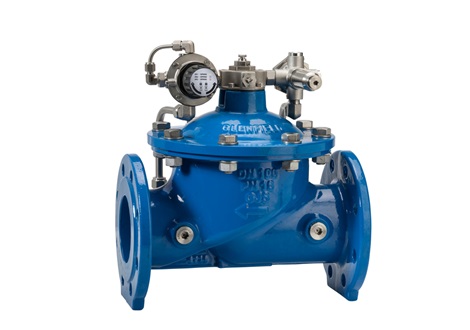
An AVK series 859 pressure reducing control valve was supplied by our distributor and the valve was commissioned on site by our Slovak AVK representative, Anton Makel.
“Where the upstream pressure is too high, we recommend installing a PRV”, says Anton. “It’s an effective way to take control and provide more stable network conditions, helping utilities improve efficiency of the water network and reduce pipe bursts and water loss.”

How much can a control valve save?
Water is a scarce resource that we need to protect. We need to secure water for the next generations and a growing population. Control valves can help reduce water losses and contribute to efficient water supply management by regulating pressure, flow or level, regardless of changes in the supply network.
Calculate your savings potential
Advantages of regulating pressure
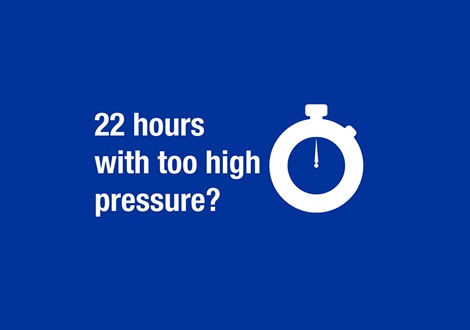
Pressure management is considered the most beneficial and cost-effective leakage management activity. Pipe bursts occur not only because of high pressure but also due to frequent pressure fluctuations. This forces the pipes to repeatedly expand and contract, resulting in pipe stress and fractures.
Advantages of pressure management